.png)
DTF Printing Techniques for High-Quality Textile Designs

DTF transfer is a versatile technique that transfers designs directly onto fabrics using a special film and adhesive powder. It offers high-quality, durable prints suitable for a wide range of materials, making it a popular choice in custom apparel and merchandise creation for businesses like T-shirt printing Manchester.
This method is valued for its vivid colours and the ability to print complex images with precision. Its flexibility means it can be used on cotton, polyester, blends, and even hard-to-print fabrics.
Understanding how DTF transfer works and where it excels can help businesses and creators choose the right printing method for their needs.
Key Takeaways
DTF transfer produces detailed, long-lasting prints on various materials.
It supports vibrant colours and intricate designs with ease.
It is widely used for custom clothing and promotional items by companies such as T-shirt printing Manchester.
What Is DTF Printing?
DTF transfer involves a specialised technique for transferring designs onto fabric with high detail and durability. It stands out for its ability to print on a wide range of materials and colours efficiently.
Definition and Overview
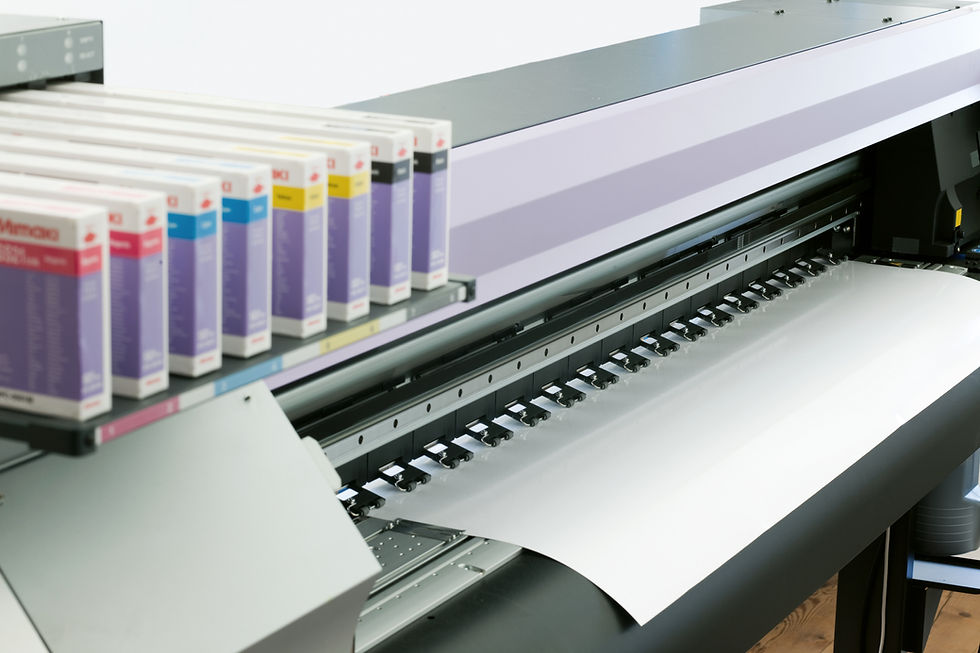
DTF stands for Direct to Film printing. It uses a printer to apply ink directly onto a special film. This ink design is then coated with a powder adhesive that melts during heat pressing to bond the image to fabric.
The process works well on both light and dark textiles, offering vibrant colours and a soft finish. DTF transfer is popular for custom apparel due to its cost-effectiveness and versatility compared to traditional methods.
DTF’s ability to handle complex designs without the need for screens or stencils makes it suitable for small runs and detailed artwork.
DTF Printing Process Explained
DTF transfer begins by printing a mirrored image onto a PET film with specialised inks, usually water-based pigment inks. After printing, a white base layer is applied if the design requires it for opacity on dark fabrics.
Next, a powdered adhesive is evenly applied to the wet ink. This powder ensures the printed image bonds securely during heat pressing.
The film, with the powder-coated design, is dried using a curing oven. Then the design is pressed onto fabric with a heat press, typically at temperatures around 160-170°C for 15-20 seconds.
The heat melts the adhesive powder, fusing the ink permanently into the fabric’s surface.
Comparison to Other Printing Methods
DTF transfer differs from Direct to Garment (DTG) printing, which applies ink directly onto fabric. Unlike DTG, DTF transfer can print consistently on a variety of fabrics such as cotton, polyester, and blends without major pre-treatment.
Compared to screen printing, DTF transfer requires less setup time and is more cost-efficient for small batches. It also handles colour gradients and detailed images better.
DTF prints are flexible and durable, similar to heat transfer vinyl but with a finer, more detailed print capability. T-shirt printing Manchester often recommends DTF transfer for jobs where other methods may lack versatility or efficiency.

Benefits of DTF Printing
DTF transfer offers significant advantages related to fabric compatibility, print longevity, and expense management. It provides practical solutions for various types of textile projects without excessive complexity or cost.
Versatility with Fabrics
DTF transfer works effectively on a wide range of fabrics. It can be applied to cotton, polyester, blends, and even some synthetic materials without extensive preparation. This flexibility reduces the need for multiple printing methods when working with different textiles.
The process does not require pretreatment on most materials, saving time and effort. Users can switch between fabric types quickly, making it suitable for samples or varied product lines. The ability to print on dark and light fabrics alike enhances its usefulness for businesses like T-shirt printing Manchester.
Print Quality and Durability
DTF prints exhibit sharp detail and vibrant colours, achieved through precise ink application and curing methods. The prints remain flexible and do not crack or peel easily, even after multiple washes.
The adhesive powder used in DTF transfer forms a strong bond with the fabric, increasing longevity. This durability makes it appropriate for items requiring frequent laundering or heavy wear, such as sportswear or work uniforms.
Cost-Effectiveness
DTF transfer requires less setup compared to traditional screen printing, reducing initial costs. It also eliminates the need for specialised pretreatment chemicals, lowering material expenses.
The process consumes ink efficiently and supports short runs without wastage. Small businesses like T-shirt printing Manchester benefit from lower operational costs while maintaining quality, making DTF transfer a competitive option for on-demand and custom printing services.

Applications of DTF Printing
DTF transfer is used in various industries for its flexibility and quality. It allows detailed, vibrant designs to adhere well to different fabrics without limiting colour or design complexity.
Custom Apparel
DTF transfer is popular for creating personalised clothing items such as t-shirts, hoodies, and jackets. It can reproduce intricate designs with sharp details and vibrant colours on both light and dark fabrics.
The method works well on cotton, polyester, and blends, maintaining durability through multiple washes. This makes it ideal for limited edition or one-off custom apparel where visual impact and longevity are important. T-shirt printing Manchester utilises DTF transfer for these applications.
For more details on perfecting your prints, check out our blog on DTF transfer film to understand how the right film enhances print quality and durability.
Promotional Products
Companies use DTF transfer to produce branded merchandise, including caps, tote bags, and uniforms. Its ability to print small batch runs efficiently suits marketing campaigns or event giveaways.
DTF prints adhere firmly, providing a professional finish that withstands regular use. The technique supports detailed logos and text, enhancing brand visibility on a variety of promotional textiles. T-shirt printing Manchester often recommends DTF transfer for promotional product orders.
Home Textiles
DTF transfer printing extends to home decor items such as pillowcases, cushion covers, and fabric wall art. T-shirt printing Manchester uses dtf transfer to create colourful, detailed patterns that can complement various interior styles.
T-shirt printing Manchester applies DTF transfer to different fabric types, enhancing creativity when customising household items.


Comments